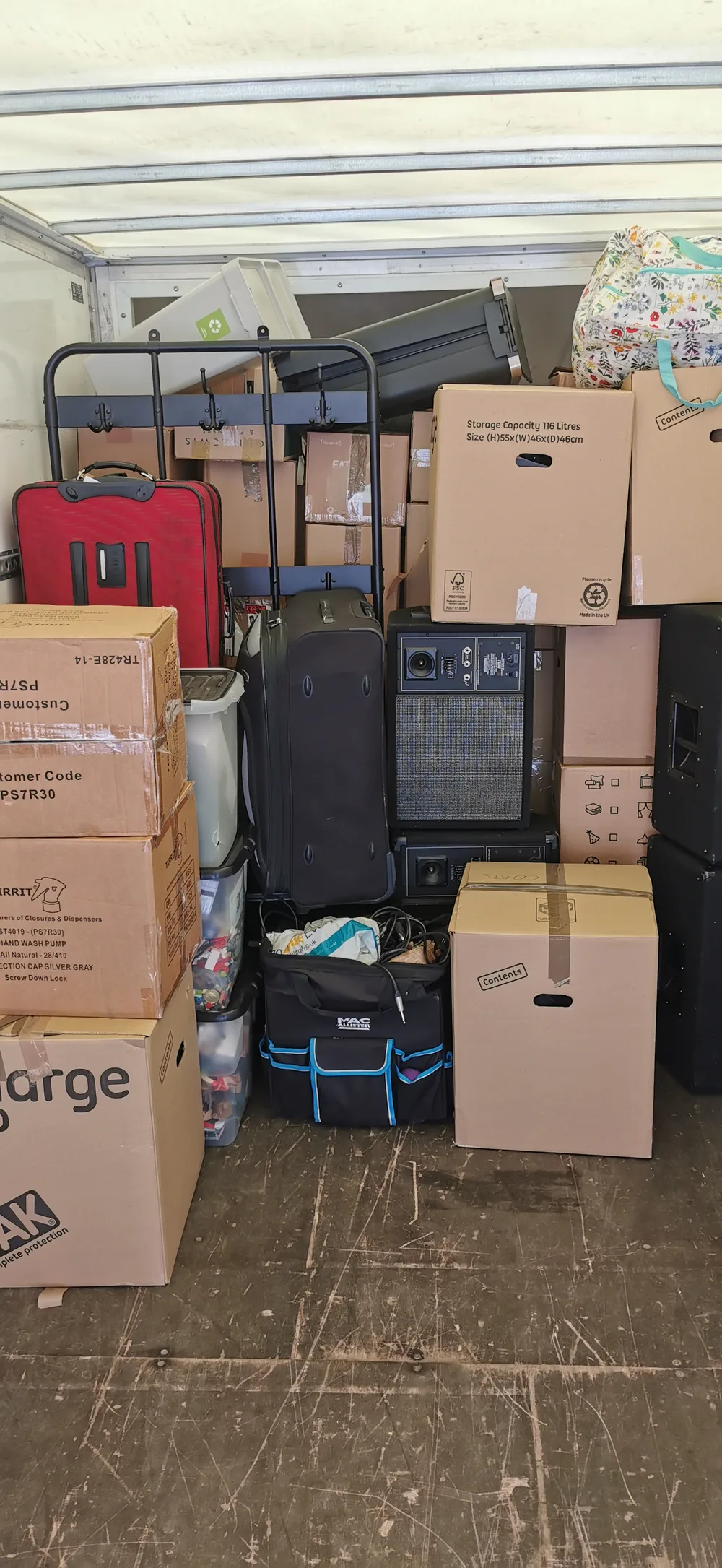
Define the job before arranging a collection
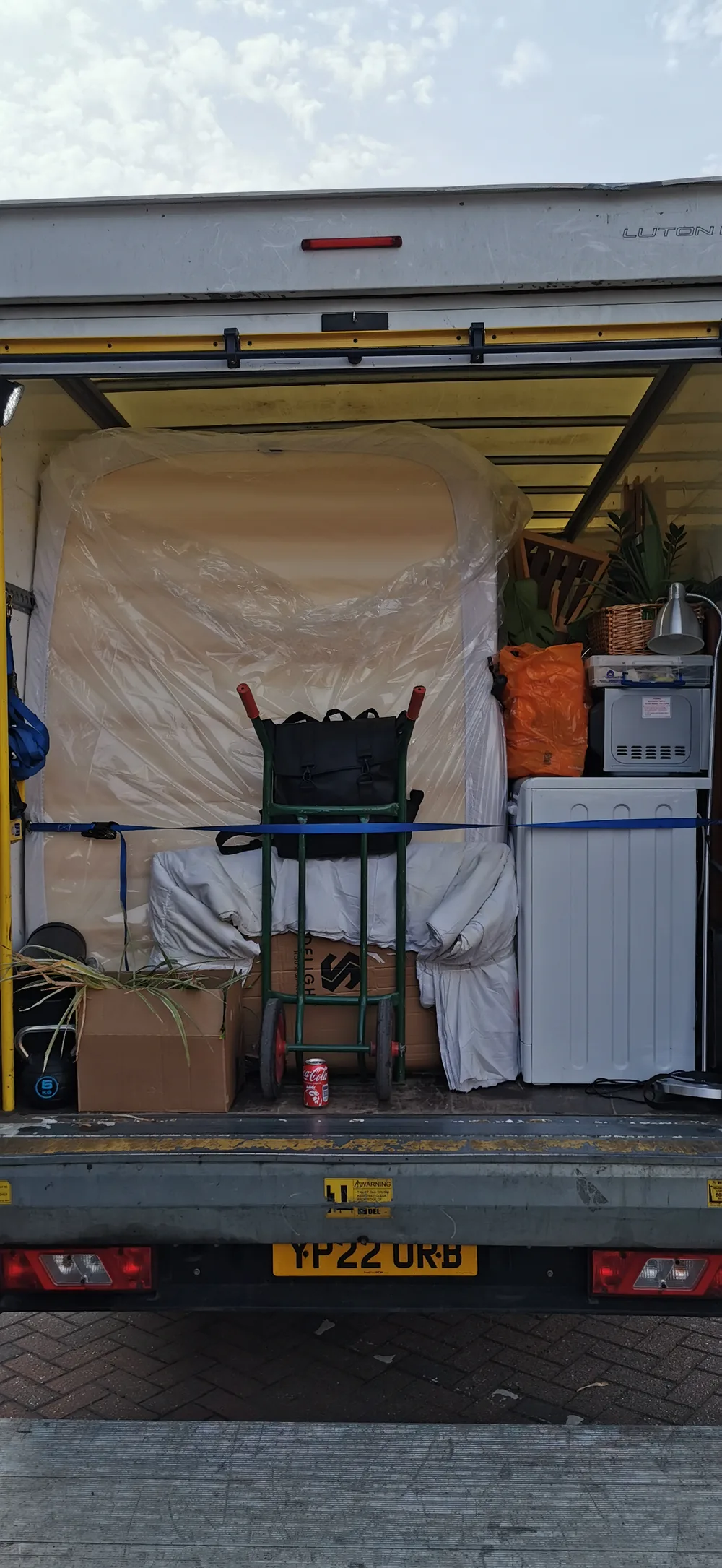
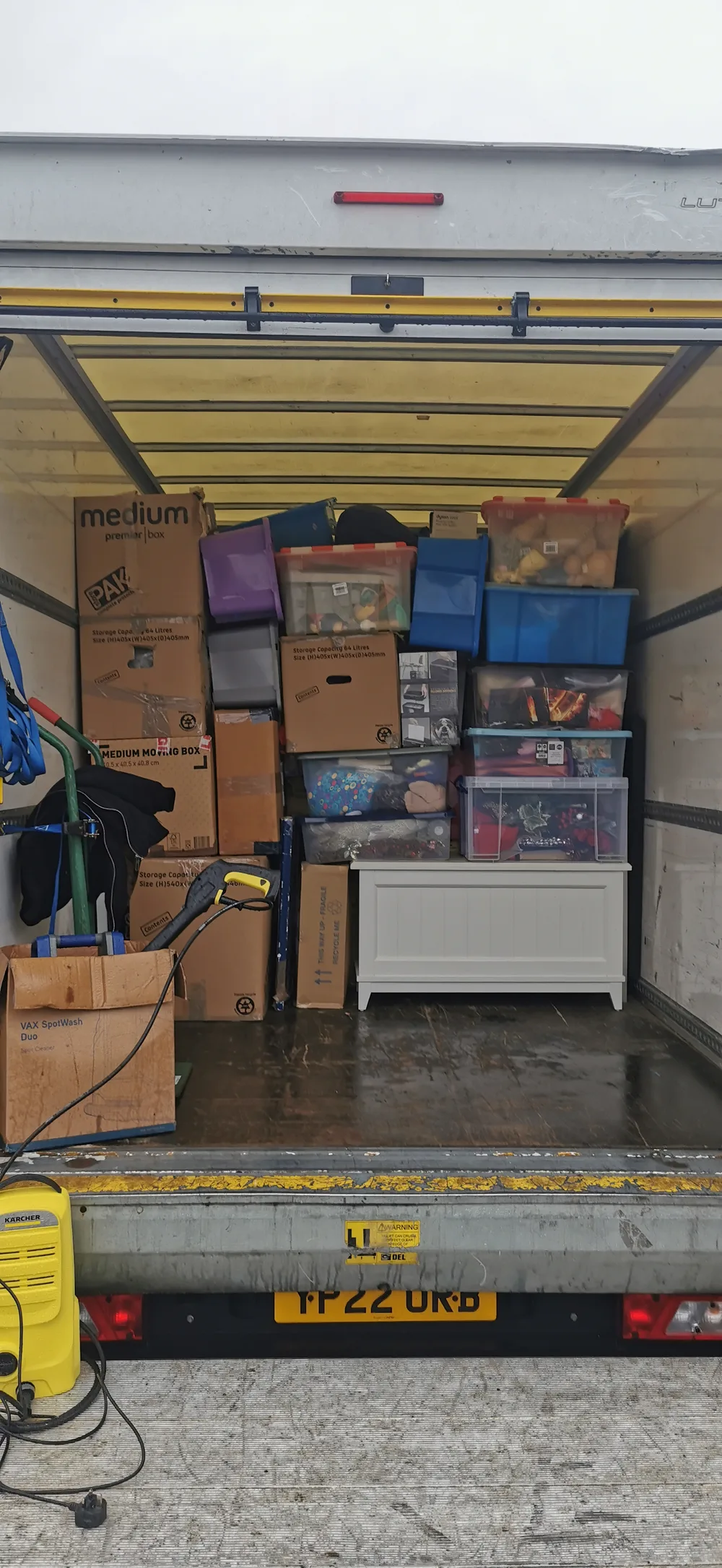
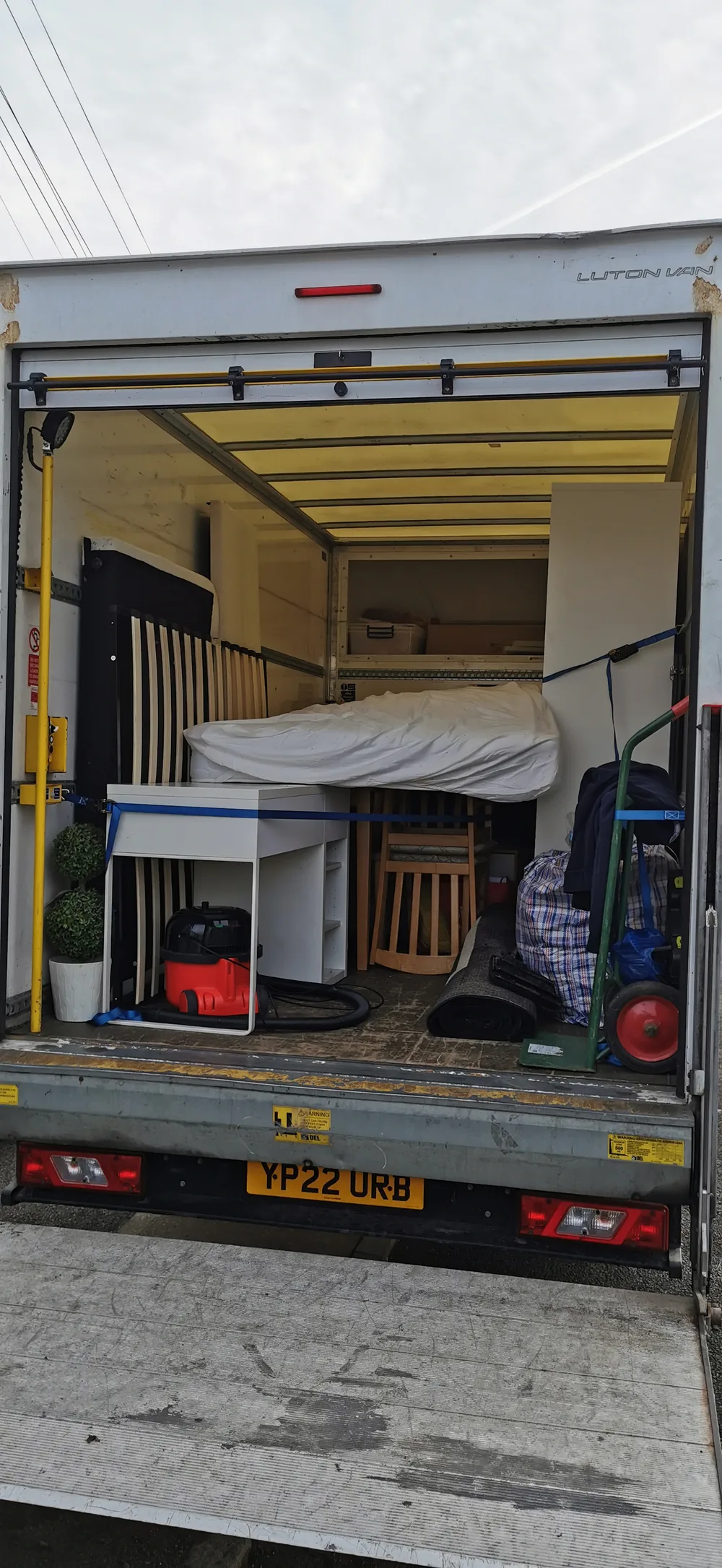
“Site clearance” can describe anything from removing leftover materials to a much larger construction operation. DNE’s enquiry process starts by identifying the actual load. Send a list, quantities, photographs and the site address so the job can be assessed.
This is not an offer of demolition, excavation, asbestos handling or land remediation. If your project needs specialist work, make that clear at the start rather than treating it as an ordinary clearance.
Describe the materials separately
List timber, packaging, furniture and other materials individually. Identify heavy or dense items and anything that may contain hazardous substances. Do not mix unknown materials into a collection or assume that everything in a photograph can be accepted.
If the materials are waste from a business or construction job, the relevant waste rules apply. The GOV.UK business-waste guidance explains the producer’s responsibilities, including checking the carrier and using the required documentation.
Plan safe access to the collection point
A vehicle needs a suitable place to stop and a clear route to the load. Share any height or width restrictions, uneven ground, barriers, stairs and vehicle-booking rules. Identify the person who can authorise entry and show the crew what is being collected.
Ask your site manager about inductions, required protective equipment and local safety procedures. DNE needs to know these requirements before agreeing the job. Collection should not rely on moving through an active work area without an agreed arrangement.
Keep the agreed scope visible
Mark what is to be removed and what must stay. Make sure everyone working on the site has the same instructions. If more material appears after a quote, send a revised list and check the price and vehicle requirements again.
Confirm the collection window, access arrangements, responsible carrier and appropriate waste paperwork directly with DNE. No registration number, disposal route or recycling rate is claimed on this page without evidence.
Send a useful enquiry
Include the address, material list, photographs, estimated quantities, preferred date and site contact. Explain whether there is a deadline for a handover or the next stage of works.
For a household clear-out, use our rubbish clearance information. For desks and furniture being moved to another workplace, see office moves.
Discuss your site clearance before booking other work around the collection.
Start with a defined collection area
For a useful assessment, mark the material to be removed and distinguish it from anything staying on site. If several trades or tenants use the area, appoint one person to confirm the boundary and answer questions. A short written inventory helps prevent the crew being asked to make judgement calls about ownership or scope at the collection point.
Describe the materials by type rather than using one heading such as “building waste”. Include approximate counts or dimensions for bulky items and an estimate of how much space the load occupies. Photographs should show the whole collection and its surroundings. If the amount is likely to change before the date, explain that when you enquire and agree how a revised quantity will be handled.
Site access is part of the job
Explain how a vehicle reaches the loading point, where it may stop and how far material must be carried. Mention security gates, vehicle-height limits, uneven ground, steps, restricted hours and any shared loading areas. If an induction, sign-in or particular protective equipment is required, send those rules before the date so DNE can confirm whether the proposed visit is workable.
Do not create a route through an active work area without the site manager’s approval. Identify the person who can provide access and show the crew the agreed collection area. Keep other trades informed if the collection overlaps with their work.
Identify waste and paperwork responsibilities
Business and construction waste has specific rules. The organisation that produces the waste remains responsible for understanding its duties, including checking that the carrier is appropriately registered and completing the required documentation. Read the GOV.UK business and commercial waste guidance, then agree directly with DNE who will provide and retain the paperwork for the collection.
Describe uncertain or potentially hazardous materials before any booking. This page is not an offer to handle asbestos, chemicals, contaminated soil or other specialist waste, and no material should be treated as accepted until DNE has explicitly confirmed it. If a specialist assessment or licensed contractor is needed, arrange that separately.
How to scope a phased clearance
Some projects need the area cleared in more than one visit. If so, separate the inventory by phase and give each phase its own target date, access window and responsible contact. Explain what must remain available between visits and whether later material depends on work being completed first. DNE will need to confirm each stage, the schedule and any changes to the quoted scope.
What to settle before work starts
Ask the written agreement to identify the collection area, materials, approximate quantity, access arrangements, date or window, price and any exclusions. Confirm who can authorise additional items if the load differs from the original list. Do not rely on an assumed disposal route, recycling rate or registration number unless you have verified it for the business and the particular work.
Coordinate the visit with the site programme
If other work is happening around the collection, agree when the area will be ready, when a vehicle may enter, who will provide access and when the space needs to be handed back. Keep the collection area separate from active work and share any induction or protective-equipment requirements in advance. DNE must confirm that the proposed access and timing are workable before you schedule dependent work around the visit.
For a staged project, give each visit its own inventory, target window and contact person. Note what must remain on site between phases and how newly generated material will be handled. If the site conditions or material list change, agree the revised scope before collection. This service does not include asbestos removal, demolition or hazardous-waste handling.
Your questions, answered
What information does DNE need for a site clearance quote?
Send the site address, material list, estimated quantities, photographs, access and vehicle restrictions, preferred date and site contact. Explain any relevant induction or safety requirements.
Do you carry out demolition or excavation?
Those services are not offered on this page. Tell DNE exactly what the project involves so the team can identify whether the proposed collection is within scope.
Can you take construction or hazardous waste?
Do not assume that a material can be accepted. Identify it before arranging collection, especially if it may be hazardous, and ask DNE to confirm suitability and the required arrangements.
What paperwork should accompany a commercial waste collection?
Ask who is responsible for the applicable waste documentation and retain the records for the job. GOV.UK explains the responsibilities for business and commercial waste.
Can the clearance be arranged in phases?
Include each proposed collection date, the materials in each phase and any site deadlines. DNE must confirm availability and the scope for each visit before you plan work around it.