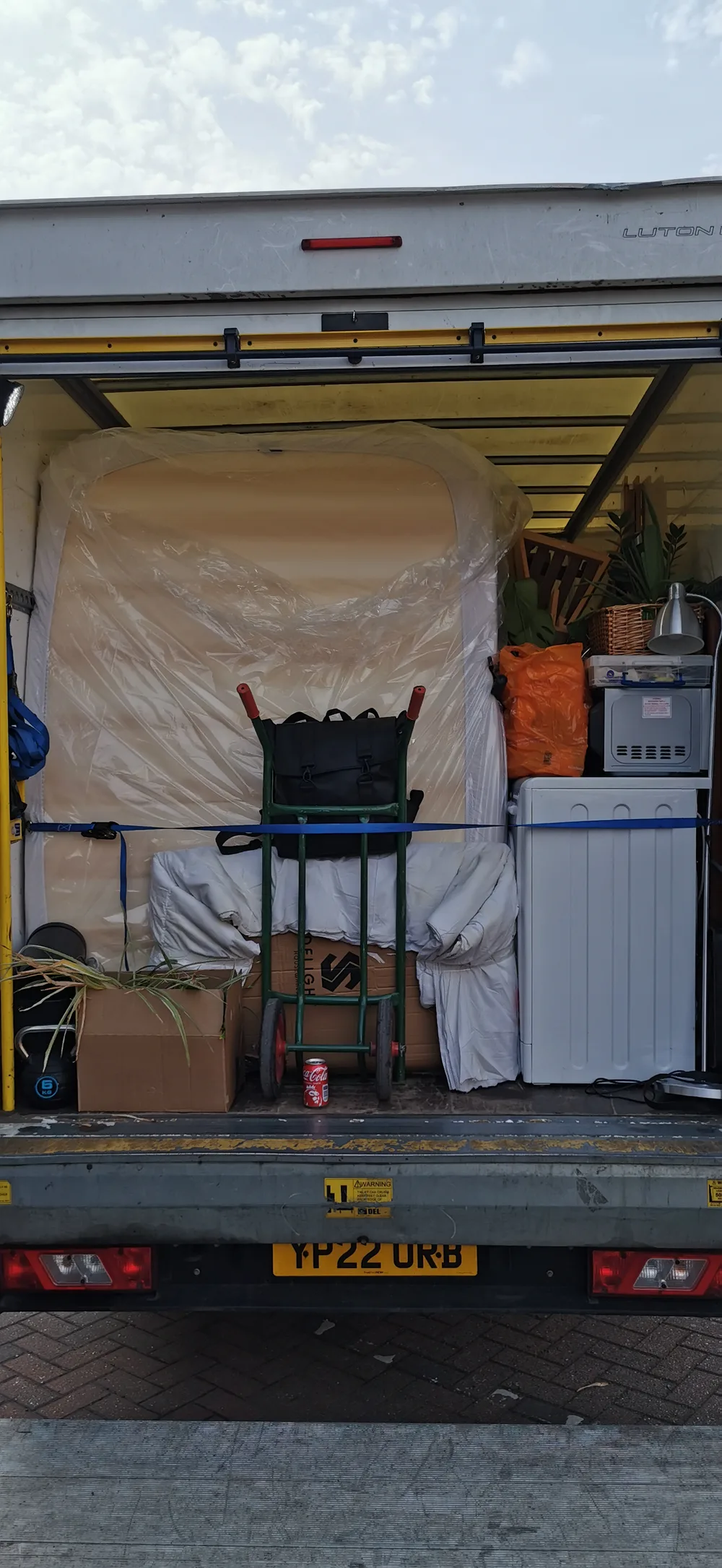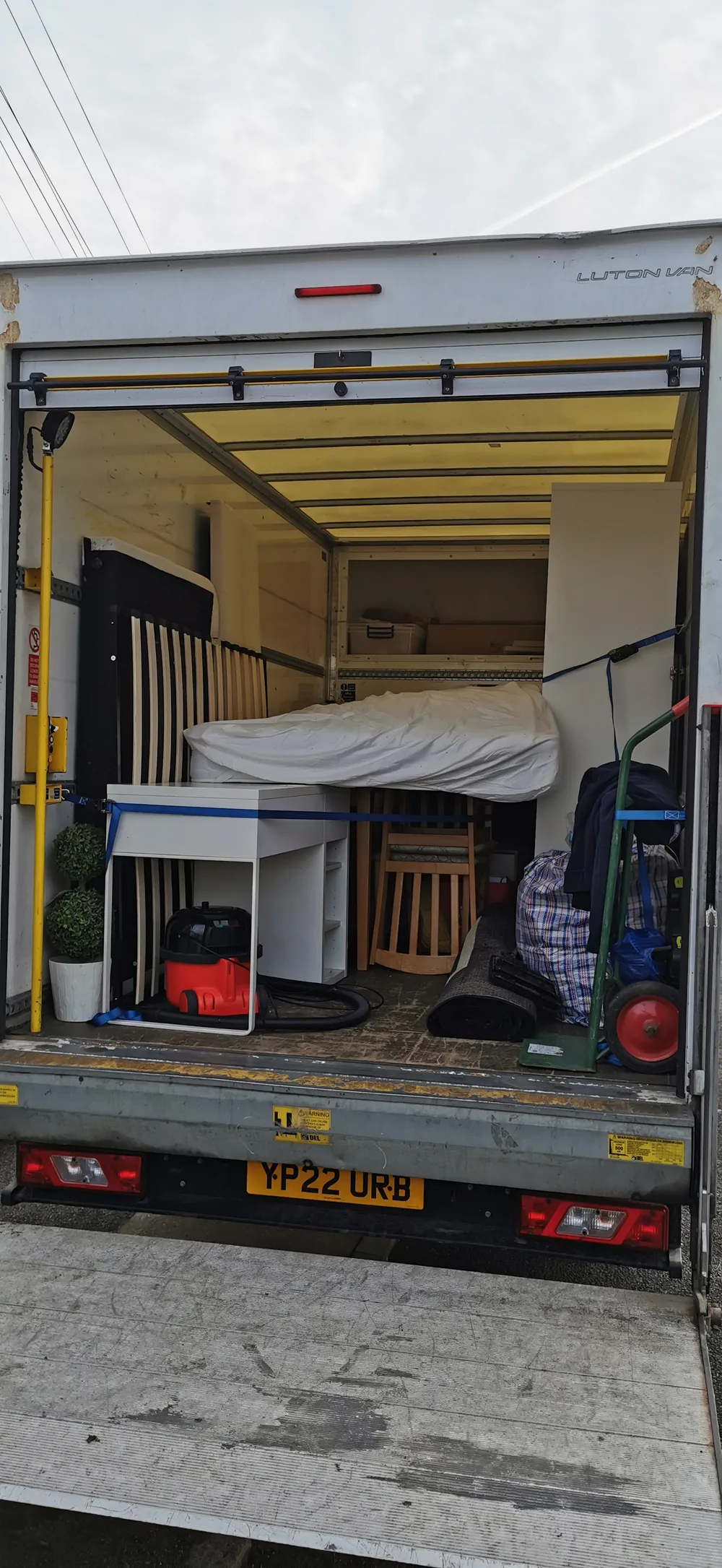
Walk the route with your largest item in mind
The front door is not always the tightest point. Look at corners on landings, handrails, fire doors and the space outside the lift. Measure the narrowest sections and the furniture that may be difficult to carry through them.
Photographs help explain the layout, but include dimensions for a tight fit. Do not wait until moving day to mention a sofa that had to come in through an unusual route.
Check the lift rather than assuming it will work
Ask the building manager whether the lift can be used for moving and whether a time slot is required. Check usable door and cabin dimensions. A lift that carries several people may still be too small for a wardrobe.
Tell DNE if there is no suitable lift. Include the floor number and describe the staircase. The agreed handling plan should be based on the actual route, not simply “lift available”.
Find out how the building manages moves
Some buildings have delivery windows, access controls or rules for protecting communal areas. Ask early enough to make the arrangements. Confirm who will open shared doors and whether a concierge or building manager must attend.
Keep emergency routes clear. Do not prop open controlled fire doors or leave belongings in communal spaces contrary to the building’s rules.
Look outside the building
The van may not be able to stop beside the entrance. Describe the distance from the likely loading space, any steps, gates or ramps, and whether the car park has a height limit.
Check parking restrictions with the relevant authority or property manager. Our parking and access guide explains what to include in the conversation.
Pack for a shared space
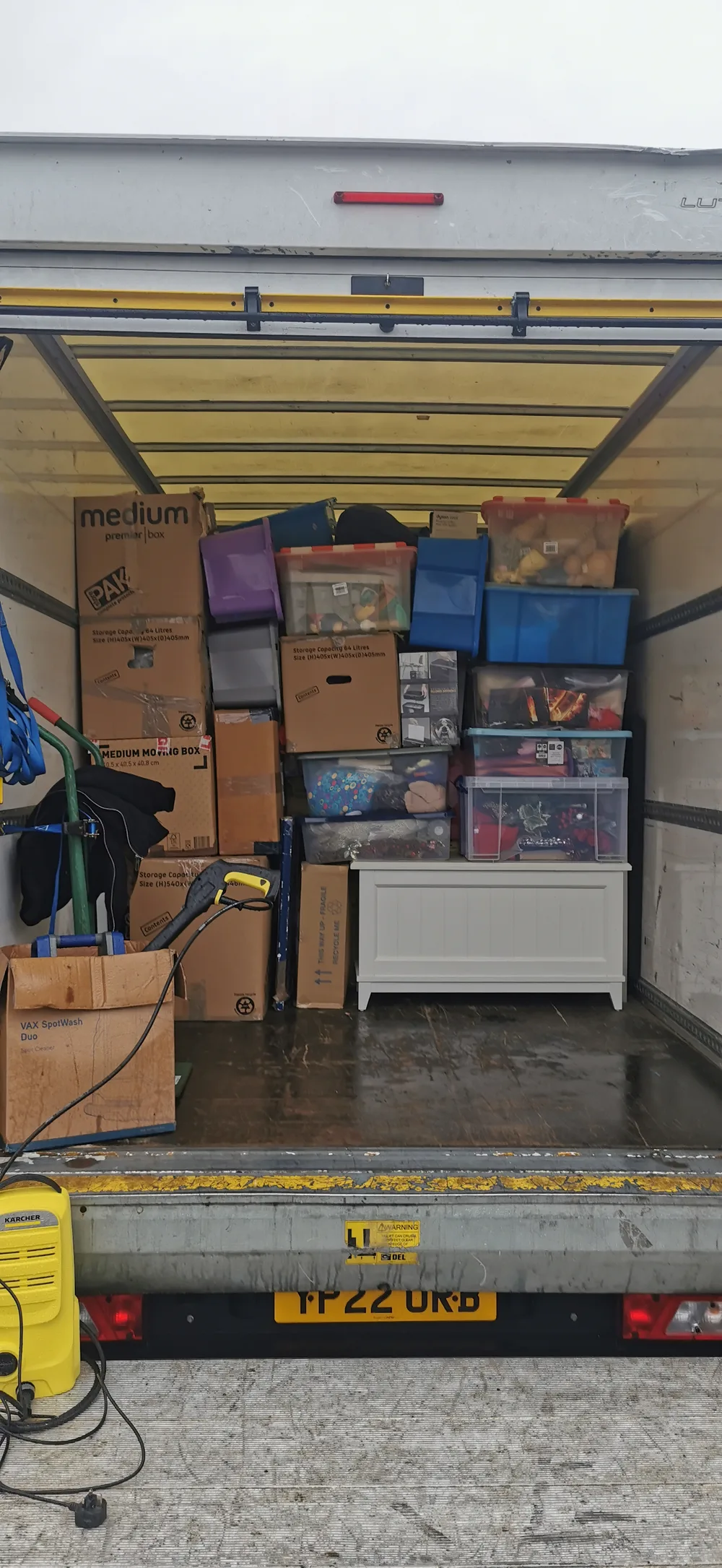
Use boxes that can be handled safely through the route and label them for the new home. Keep the corridor clear while preparing the load. Agree where packed items should wait so neighbours can still pass.
For your quote, send the floor, lift details, key measurements, inventory and both postcodes. Talk to DNE about a home removal or prepare an enquiry.